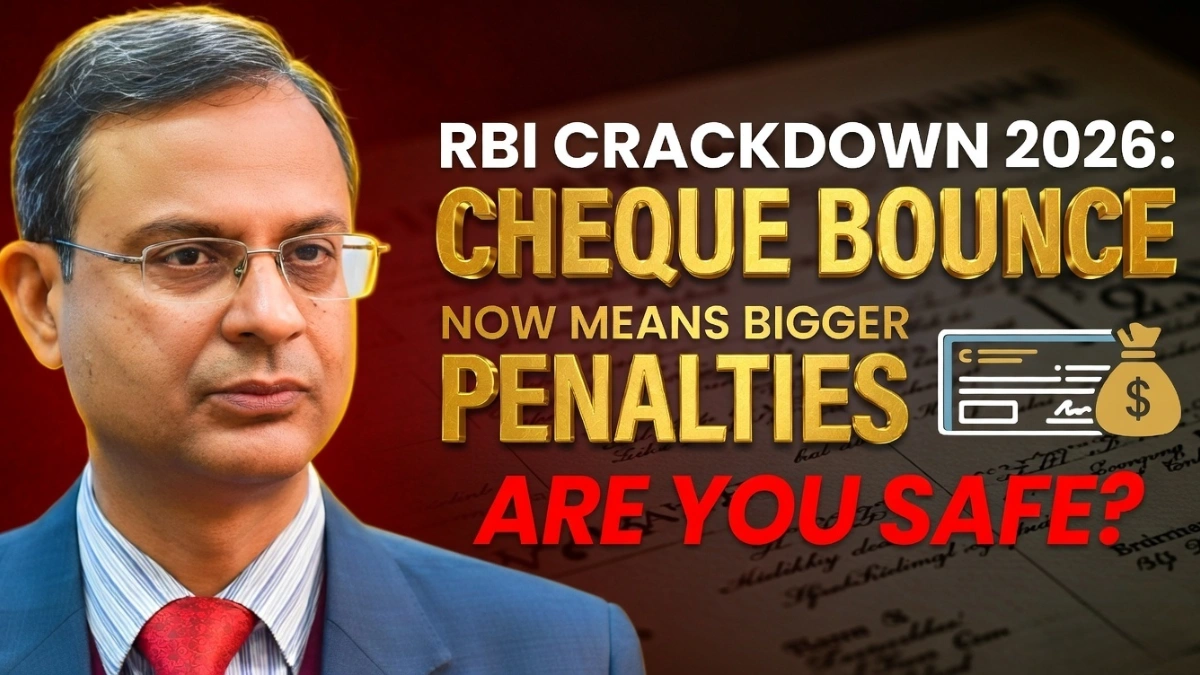
In 2026, a major banking alert is creating panic among account holders as stricter rules around cheque bounce cases are being widely discussed. With increasing financial frauds and payment defaults, regulatory authorities are tightening compliance, and the consequences for cheque bounce are becoming more serious than ever. What was once seen as a minor financial mistake could now lead to heavy penalties, legal action, and even jail time in extreme cases. This makes it critical for every individual and business to understand the latest rules and stay fully compliant.
What Is a Cheque Bounce and Why It Matters
A cheque bounce occurs when a bank refuses to process a cheque due to insufficient funds, signature mismatch, or other issues. In India, cheque bounce cases are governed under the Negotiable Instruments Act. It is not just a banking issue but a legal offense that can lead to serious consequences. With digital payments rising, cheque usage may have reduced, but it still plays a significant role in business transactions and legal agreements.
2026 Update: What’s Changing
Recent developments indicate stricter enforcement of existing cheque bounce laws rather than entirely new rules. Authorities are focusing on faster resolution of cases, stronger penalties, and improved tracking of repeat offenders. Banks are also strengthening alert systems and monitoring suspicious transactions more closely. This means that even a single mistake could now have bigger consequences than before.
Penalty Structure and Legal Consequences
The penalties for cheque bounce can be severe, especially if the issue is not resolved within the legal timeframe.
Here is a simplified overview:
| Aspect | Details |
|---|---|
| Bank Charges | ₹100 – ₹750 (varies by bank) |
| Legal Notice Period | 30 days |
| Penalty Amount | Up to double the cheque amount |
| Jail Term | Up to 2 years (in serious cases) |
This table highlights how quickly a simple mistake can escalate into a major financial and legal problem.
Why RBI Is Taking a Tough Stand
The stricter approach is aimed at improving financial discipline and reducing fraud in the banking system. Cheque bounce cases have been increasing due to delayed payments, insufficient funds, and misuse of cheques. By enforcing tougher rules, authorities aim to protect the credibility of financial transactions and ensure accountability.
Who Is Most at Risk
Business owners, freelancers, and individuals who frequently use cheques are at higher risk. People who issue post-dated cheques without ensuring sufficient balance may also face serious consequences. Even individuals who unknowingly make errors can be affected if they fail to respond within the legal timeframe.
Key Mistakes That Can Lead to Cheque Bounce
Insufficient balance in the account Signature mismatch or incorrect details Overwriting or damaged cheque
Expired cheque usage Stop payment without valid reason Avoiding these mistakes can help prevent serious issues.
What Happens After a Cheque Bounce
Once a cheque bounces, the payee has the right to send a legal notice to the issuer within a specified period. If the payment is not made within 15 days of receiving the notice, the case can proceed to court. This can lead to legal proceedings, financial penalties, and potential criminal charges.
Impact on Credit Score and Financial Reputation
Cheque bounce cases can also impact your financial reputation. Repeated instances may affect your creditworthiness and banking relationships.
Banks may impose restrictions or monitor accounts more closely if frequent issues occur. This can make it difficult to access loans or financial services in the future.
How to Stay Safe Under the New Rules
To avoid penalties and legal issues, follow these steps: Always maintain sufficient balance before issuing a cheque Double-check all cheque details before submission Respond quickly to any legal notice Avoid issuing cheques without proper financial planning Use digital payment methods where possible These precautions can help you stay compliant and avoid unnecessary trouble.
Why This Update Is Trending in 2026
The cheque bounce issue is trending because of increased awareness and stricter enforcement. With more people relying on formal financial systems, compliance has become more important than ever. The possibility of heavy fines and jail time has made this topic highly relevant for both individuals and businesses.
Conclusion
The cheque bounce rules in 2026 highlight the importance of financial responsibility and awareness. What may seem like a small mistake can quickly turn into a serious legal issue. By understanding the rules and taking preventive measures, you can avoid penalties and protect your financial reputation. In today’s regulated environment, staying informed is the best way to stay safe.
Disclaimer: This article is for informational purposes only. Actual penalties and legal procedures may vary based on specific cases and official regulations.